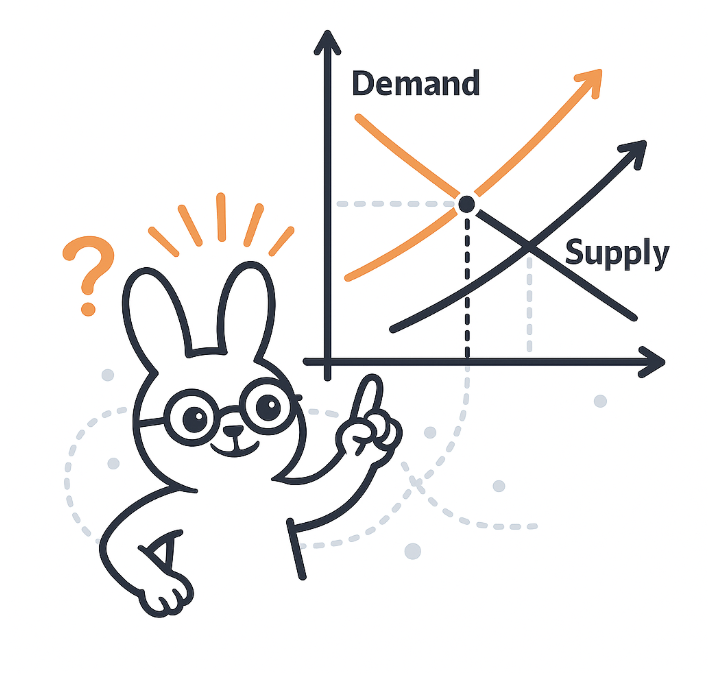
Externalities happen when an action creates costs or benefits for people outside the decision. The process is simple: someone produces or consumes a good, that activity creates an effect on others, and the market price doesn’t reflect this impact. When the price ignores these spillovers, the market ends up producing too much of the “bad” stuff or too little of the “good” stuff.
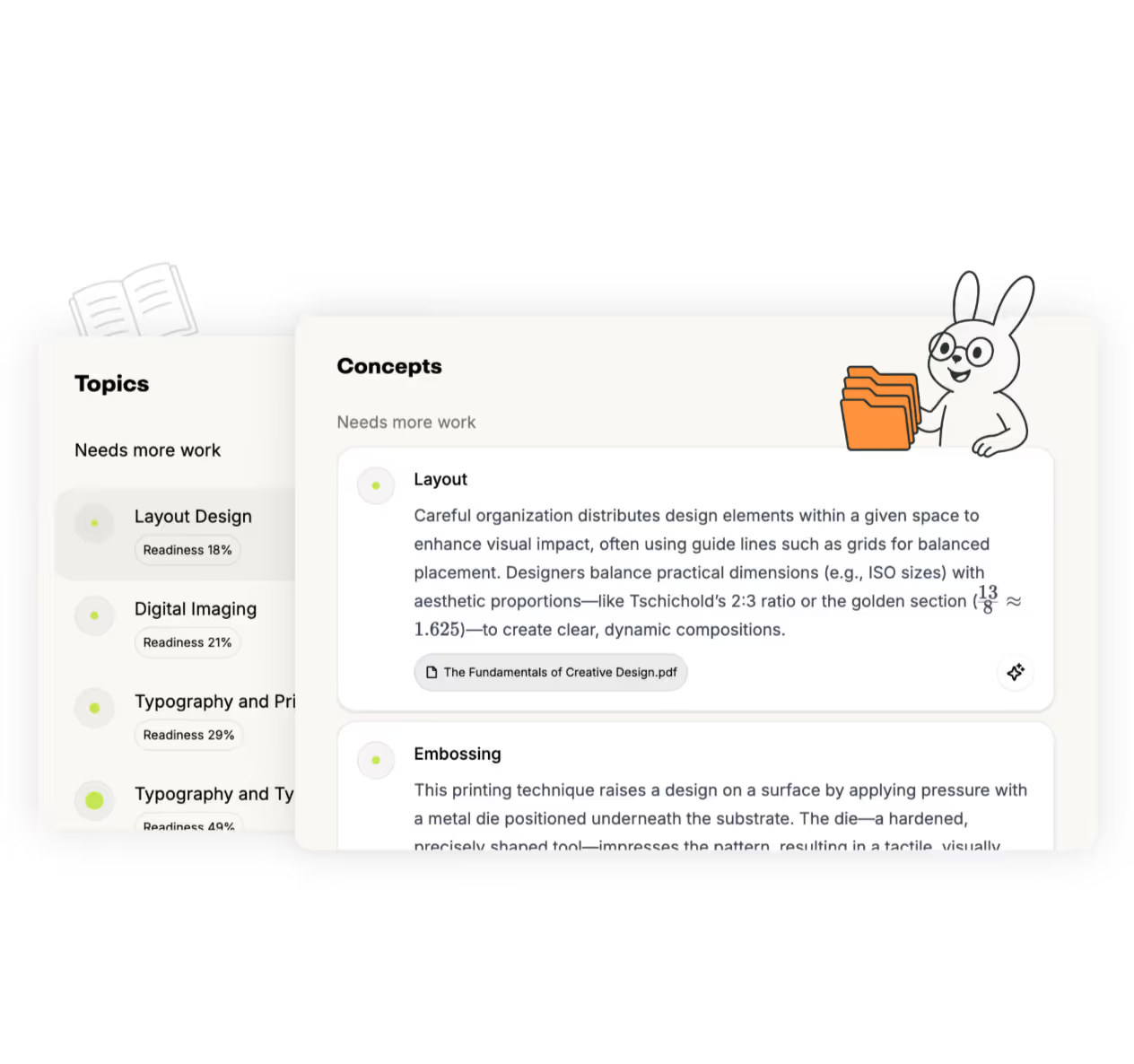
Externalities can feel abstract, but Alice makes them easier to understand by turning your material into clear notes, summaries, and quizzes. Instead of getting stuck on confusing examples, you can focus on the core idea and quickly see how different actions create costs or benefits for others.

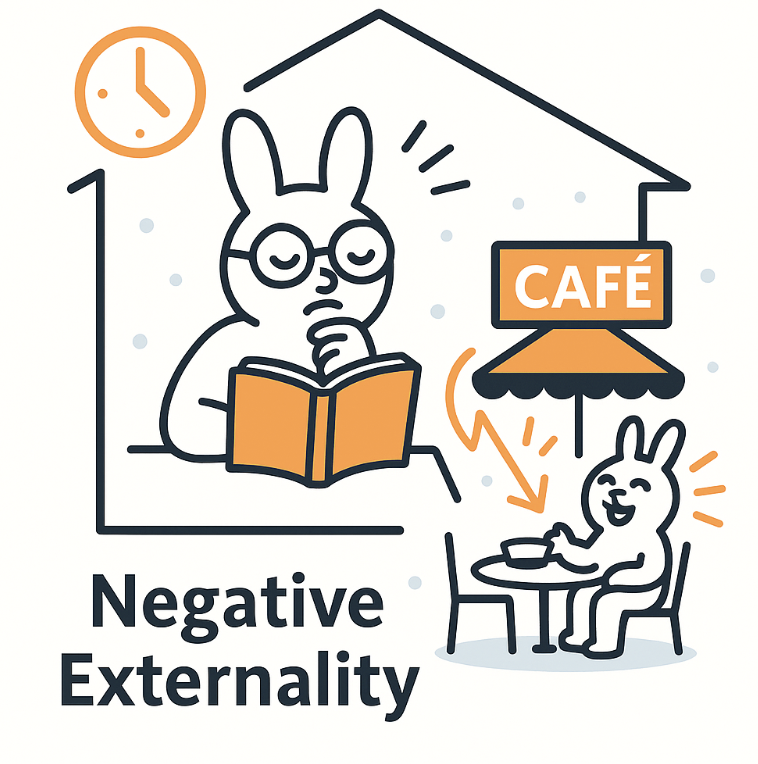
Imagine that a café opens below your apartment. During the day it’s fine, but in the evening the outdoor seating gets loud, and the noise makes it harder for you to study. You’re not part of the café’s business decision, but you still experience the cost of their activity.
That’s a negative externality - a side effect on someone who didn’t choose it.

Real-world use
Externalities explain everyday situations like pollution, noise, education benefits, and public health — areas where individual actions affect people who had no say in the decision.
Relevance
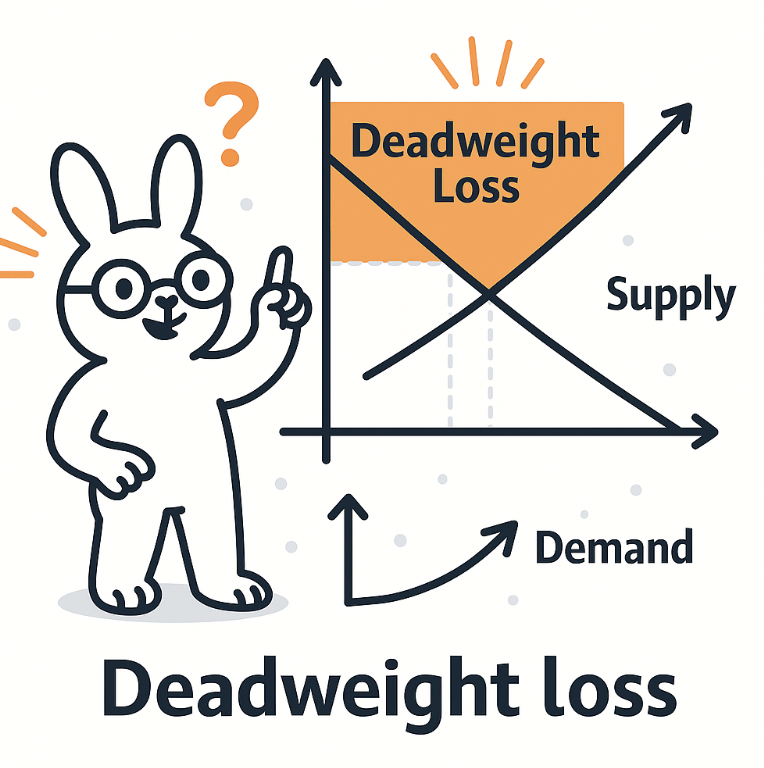
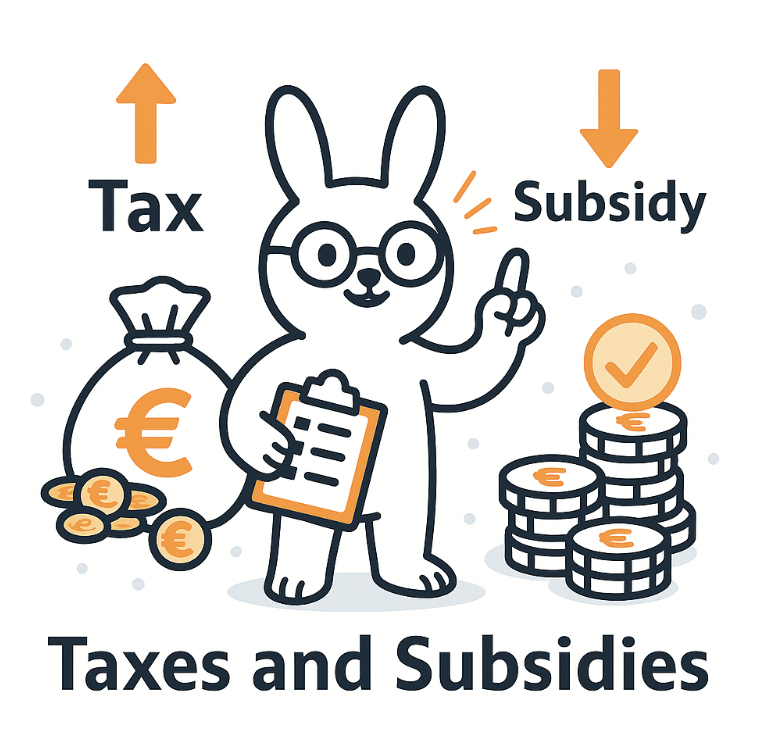
They show why markets sometimes fail on their own and why regulations, taxes, or subsidies are needed to correct those spillover effects.
Impact
Understanding externalities helps identify when society is overproducing harmful activities or underproducing beneficial ones, guiding better decisions in policy, business, and everyday life.
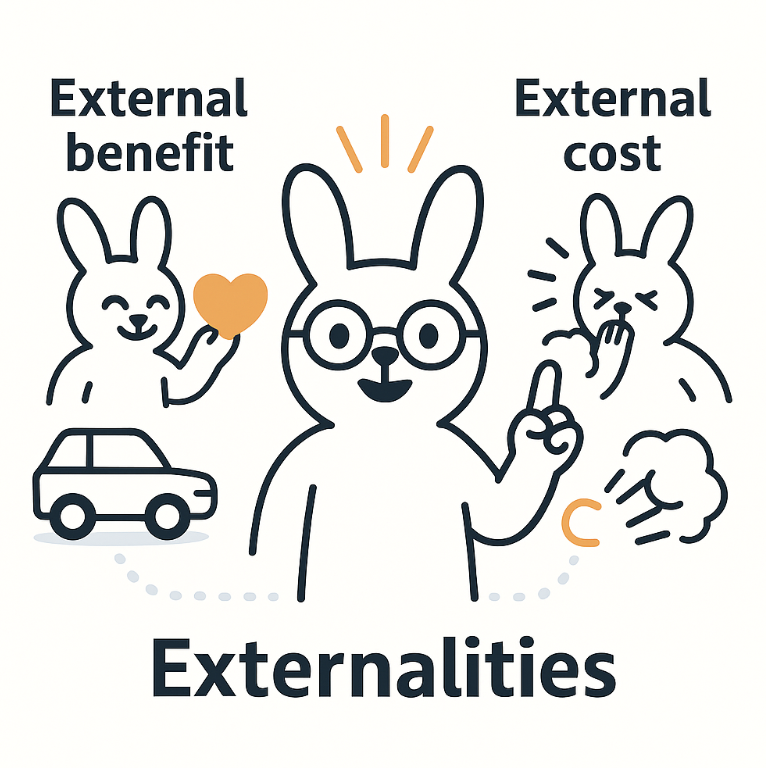
Externalities come in four forms: positive production, negative production, positive consumption, and negative consumption. Each one describes whether an activity creates extra benefits or extra costs - and whether it comes from producing or consuming a good.
A positive externality creates benefits for others - like someone planting a garden that improves the neighborhood. A negative externality creates costs for others - like noise or pollution.
Because the full cost or benefit isn’t included in the market price. That means people and companies produce too much of the harmful stuff and too little of the helpful stuff.
Sometimes. Private agreements or community norms can reduce spillover effects, but large-scale externalities often require taxes, subsidies, or rules to correct them.