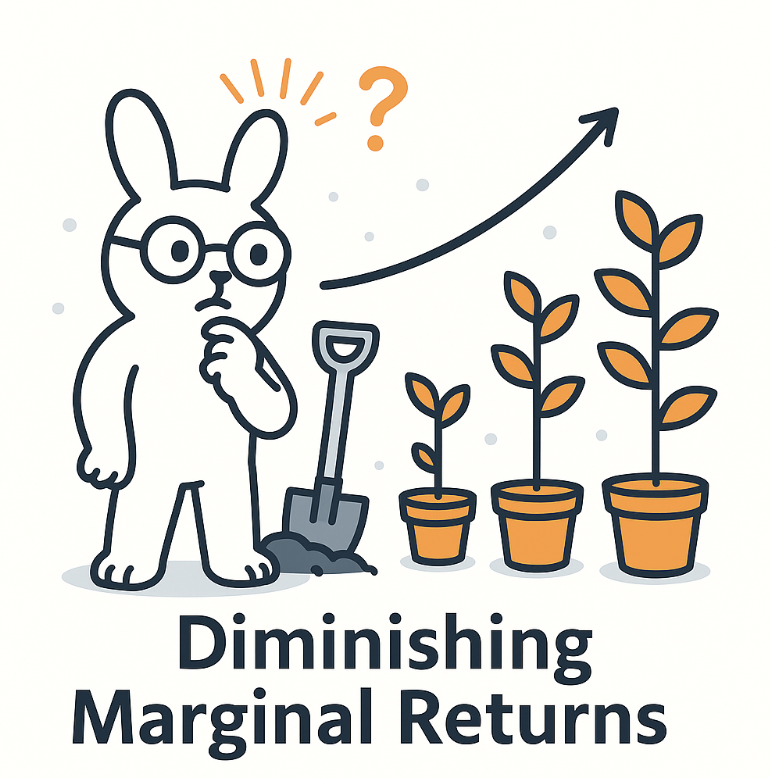
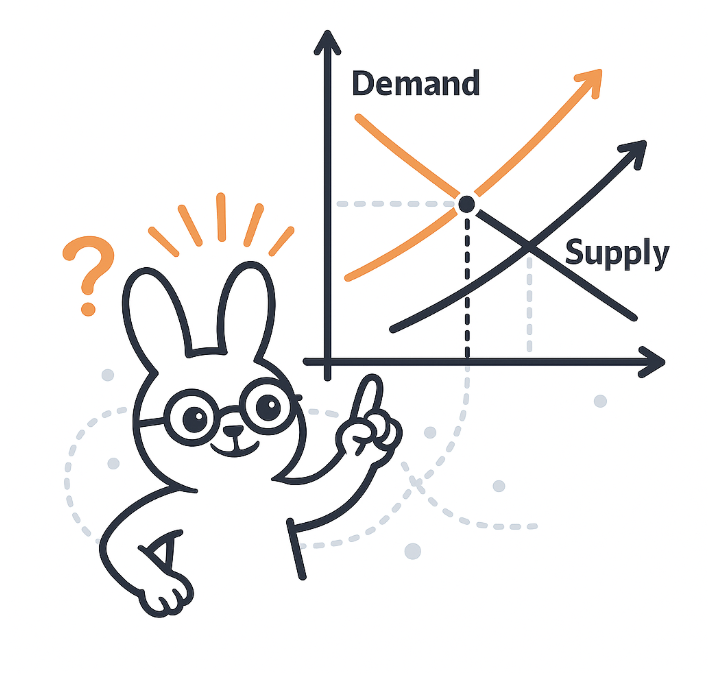
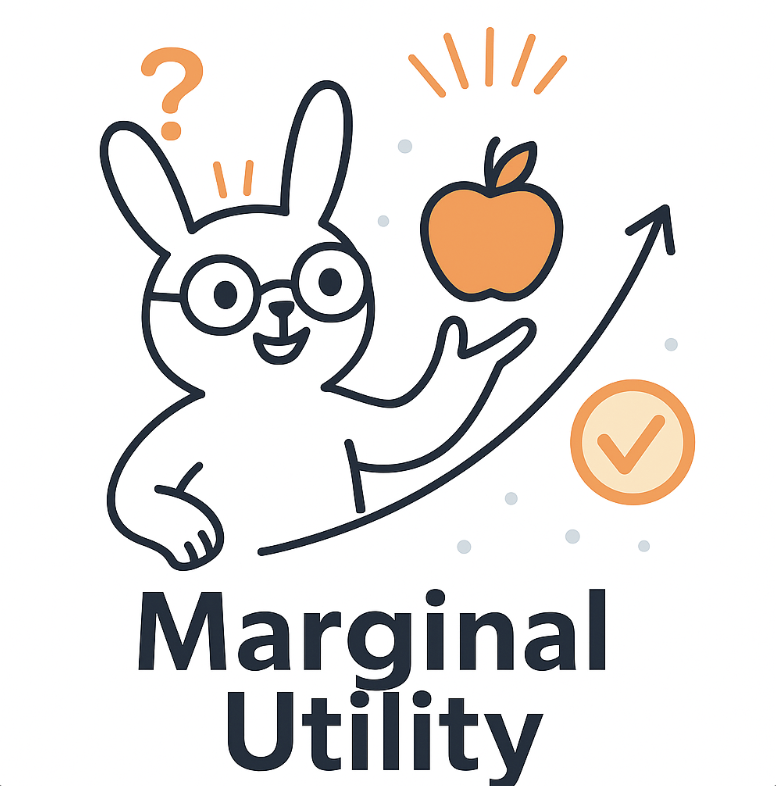
Marginal utility falls as you consume more of the same good. Each additional unit tends to give you slightly less satisfaction than the one before it. That decline shapes your choices: you’re willing to pay more for the first unit, and less for every unit after.
Economically, this is what guides demand - people buy until the extra benefit they get from one more unit is no longer worth the cost.
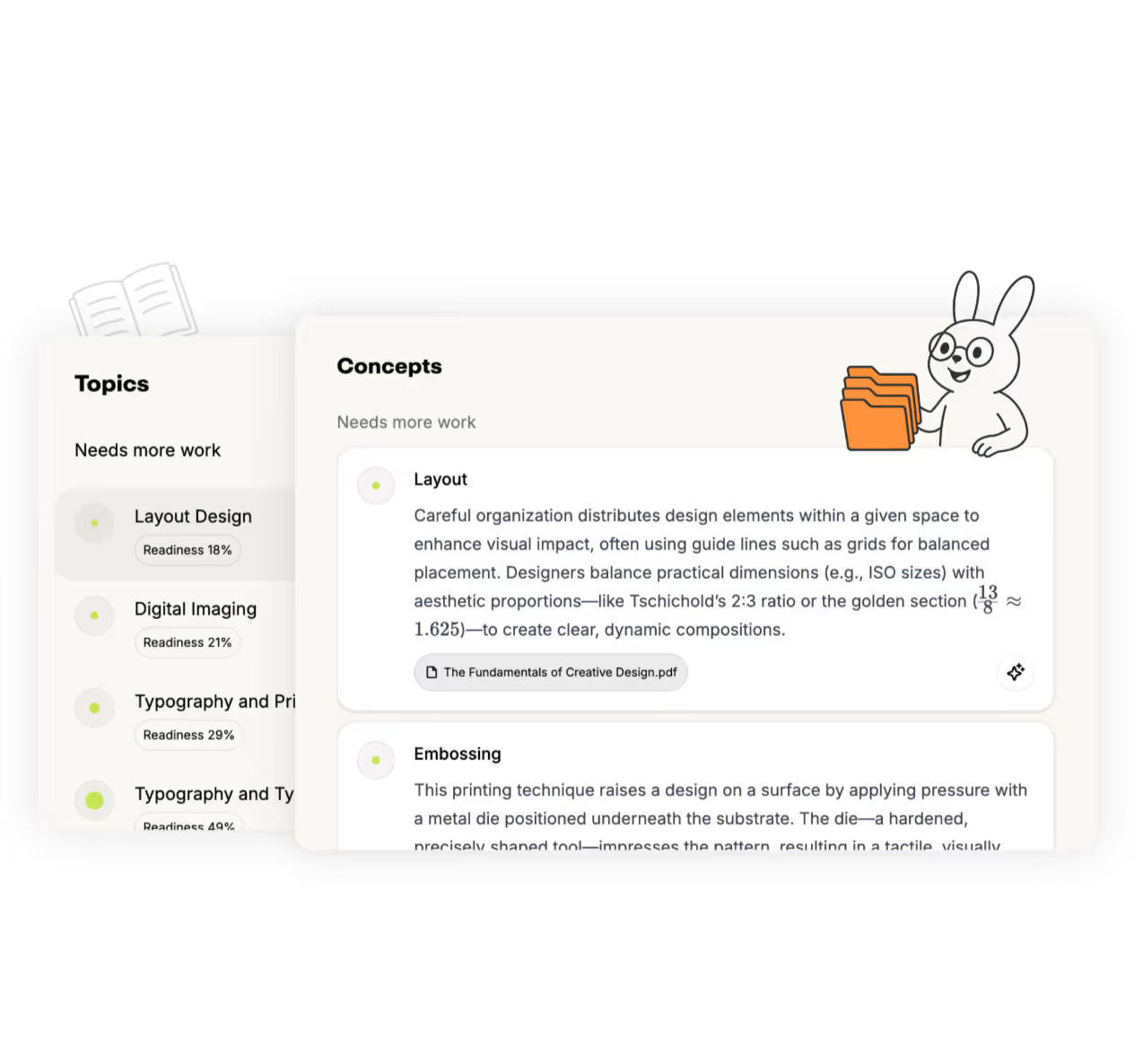
Marginal utility shows that not every study hour gives you the same value - some sessions help a lot, others barely move you forward. Alice helps you spot where your effort pays off most by turning your material into clear notes, summaries, and quizzes in seconds. You can focus on the study activities that actually increase your learning, instead of wasting time on low-value repetition.

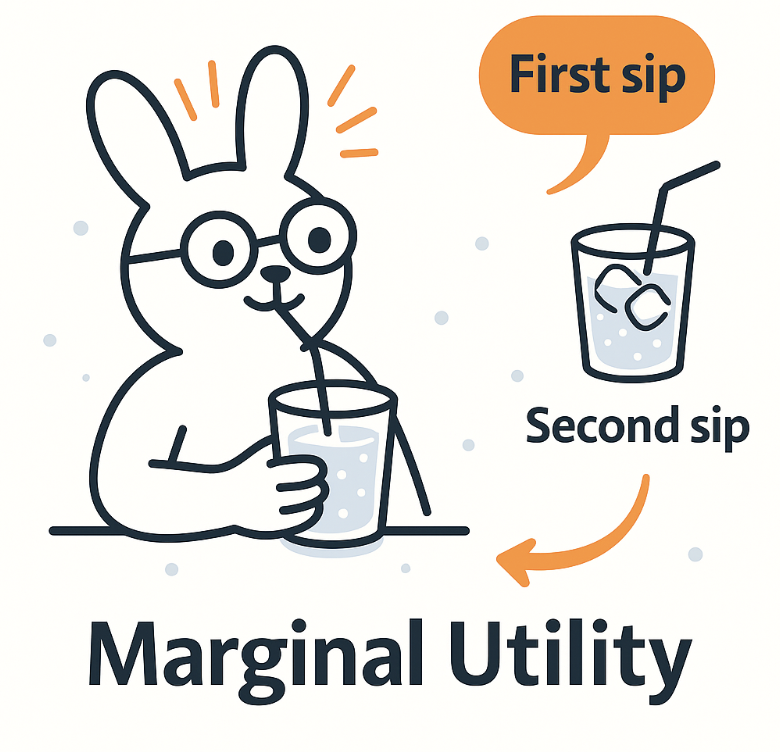
Imagine that you buy a cold drink on a hot day. The first sip feels amazing and gives you a lot of satisfaction. The second sip still feels good, but not as intense as the first. By the time you finish the drink, each extra sip adds less and less value.
That’s marginal utility in action — the benefit you get from each additional unit decreases as you consume more.

Real-world use
Marginal utility helps explain everyday choices, like why you’re excited about the first slice of pizza but not the fifth, or why demand decreases as quantity increases.
Relevance
It’s central to understanding consumer behavior, pricing decisions, and how people allocate limited resources to get the most value.
Impact
Knowing how marginal utility changes helps businesses set smarter prices and helps consumers avoid overpaying for things that bring little extra benefit.
People naturally compare the extra benefit of one more unit to its cost. If the added satisfaction is worth it, they buy or consume more; if not, they stop.
Yes, in rare cases. For example, learning a skill or starting a hobby can become more rewarding as you get better, meaning each additional “unit” produces more satisfaction at first before leveling off.
Businesses use it to understand how much customers are willing to pay for additional units. Prices often reflect the point where extra benefit and cost balance out.
No. It applies to time, experiences, studying, and almost any activity where the value of “one more” can rise or fall depending on how much you’ve already consumed or done.