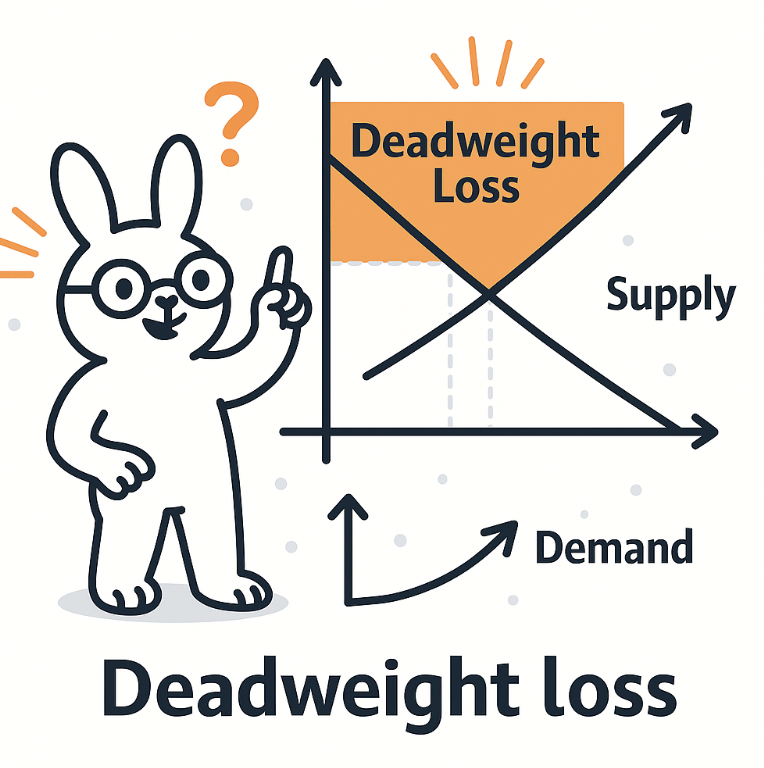
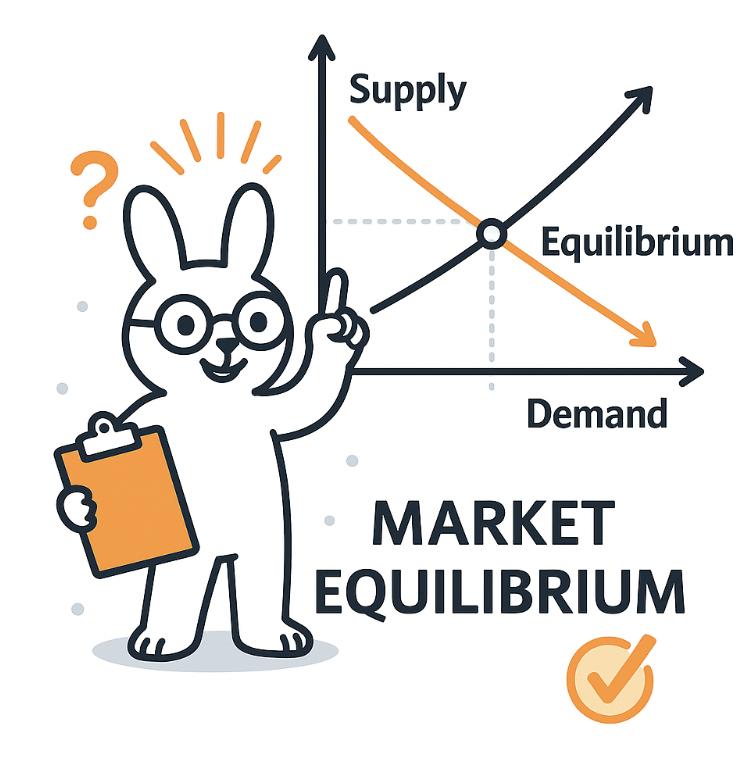
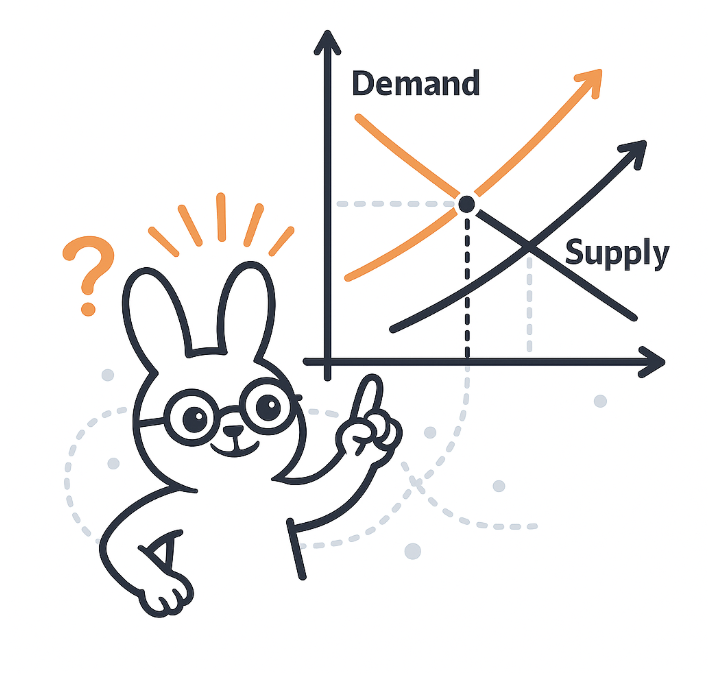
Taxes increase the cost of producing or selling a good. When a tax is placed on producers, their costs rise, so they supply less at every price. This shifts the supply curve upward (to the left). The new equilibrium ends up with a higher price for consumers and a lower quantity sold. Part of the burden falls on consumers (through higher prices), and part falls on producers (through lower revenue per unit).
A tax placed on consumers works similarly - it reduces their willingness to buy, shifting the demand curve downward (to the left) and lowering the quantity traded.
Subsidies work in the opposite direction. When producers receive a subsidy, their production becomes cheaper. This shifts the supply curve downward (to the right), lowering market prices and increasing the quantity sold. A consumer subsidy boosts people’s willingness to buy, shifting demand upward (to the right) and expanding the market.
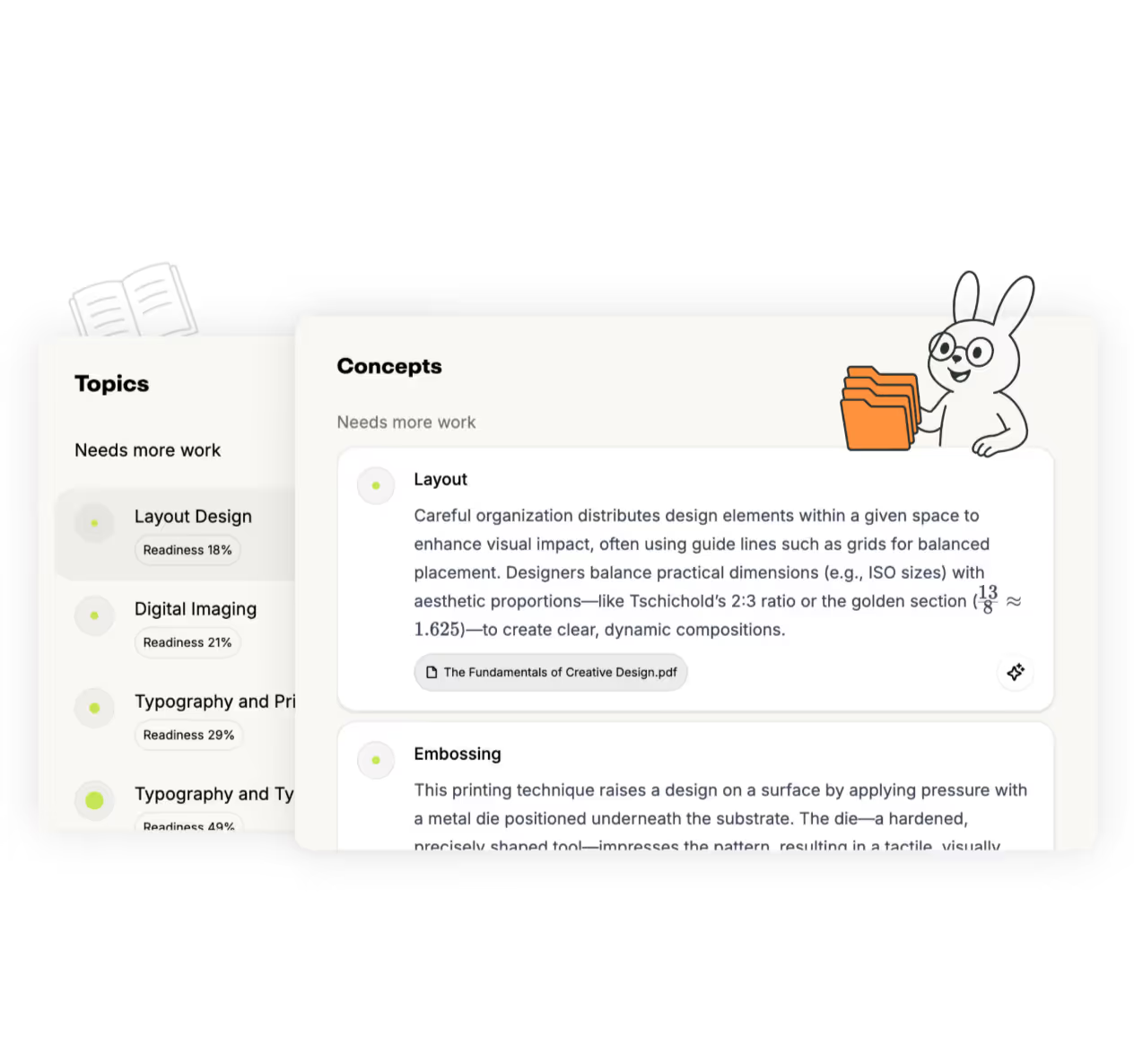
Taxes and subsidies come with a lot of curve shifts, diagrams, and cause-and-effect steps that can be confusing at first. Alice turns your material into clear notes, summaries, and quizzes, helping you see exactly how each tax or subsidy affects supply, demand, prices, and quantities. Instead of getting lost in the mechanics, you can focus on understanding the logic behind the shifts.

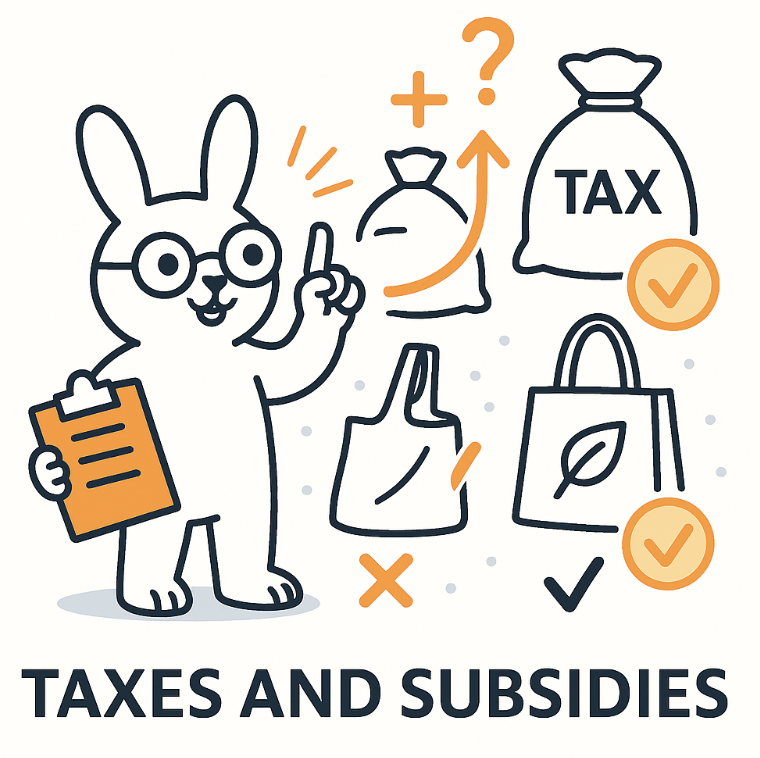
Imagine that your city wants fewer people to use single-use plastic bags. To change behavior, they add a small tax on each bag. Suddenly, buying a plastic bag feels less worth it, and more people start bringing reusable ones instead.
At the same time, the city offers a subsidy to stores that provide eco-friendly bags, making them cheaper to stock and easier for customers to choose.
That mix of taxes and subsidies shifts incentives - discouraging the “bad” option and encouraging the “good” one.

Real-world use
Governments use taxes and subsidies to influence behavior -reducing harmful activities like smoking or encouraging beneficial ones like education and renewable energy.
Relevance
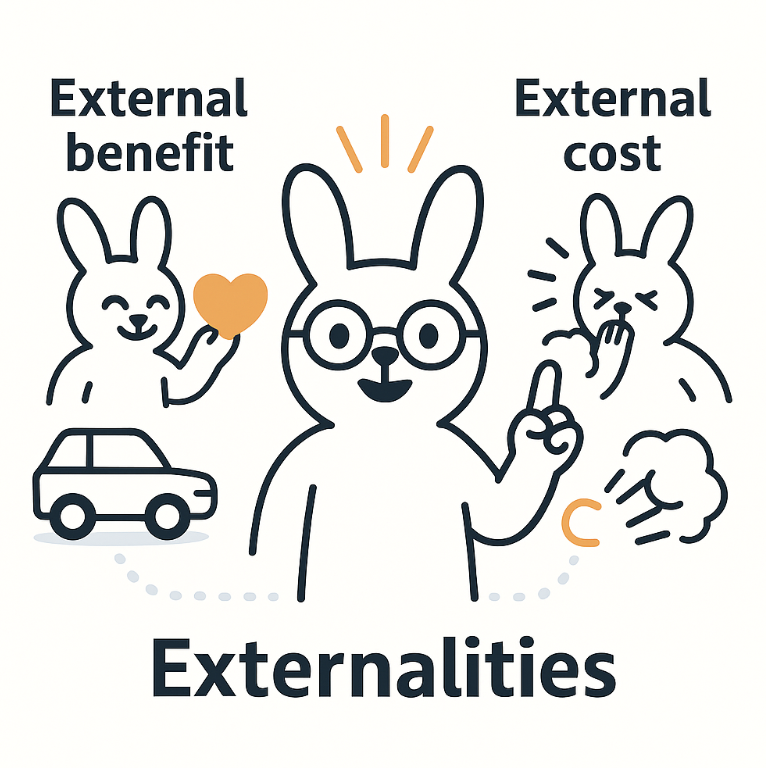
They reshape market outcomes by affecting prices and quantities, making them essential for understanding policy decisions, market failures, and economic incentives.
Impact
Taxes and subsidies can change how businesses operate, how consumers spend, and how resources are allocated, helping societies balance efficiency, fairness, and public goals.
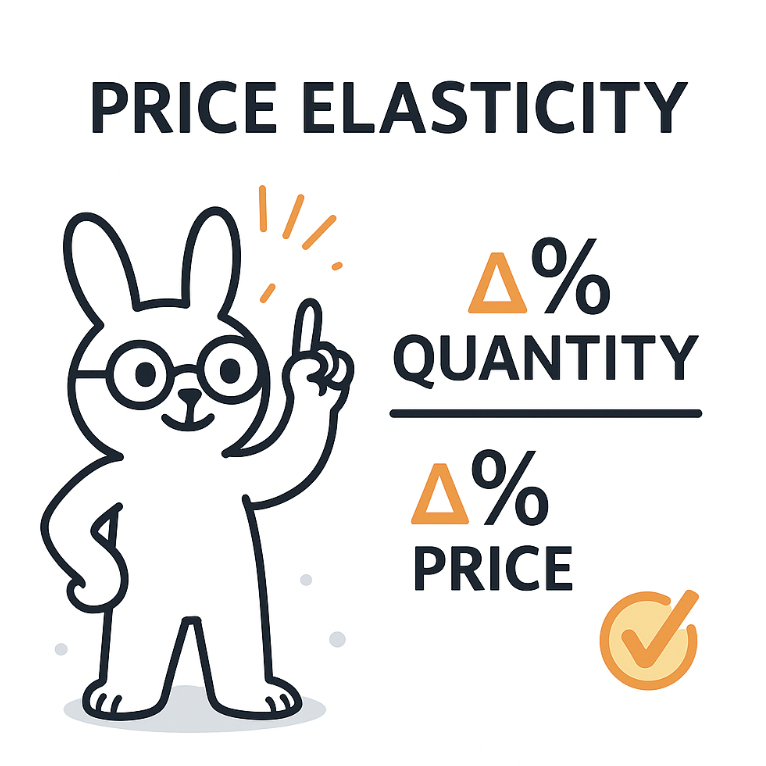
Both do. Even if a tax is placed on producers, part of the cost usually gets passed to consumers through higher prices. The exact split depends on how elastic demand and supply are.
Almost always. Higher prices push some consumers away and make production less attractive. The size of the reduction depends on how sensitive buyers and sellers are to price changes.
To encourage activities that create benefits for society - like education, public transport, or clean energy. Lowering costs increases production and makes these goods more accessible.
Yes. If they’re set too high or too low, they can distort markets, encourage unintended behavior, or place too much pressure on businesses or consumers. Good policy requires finding the right balance.