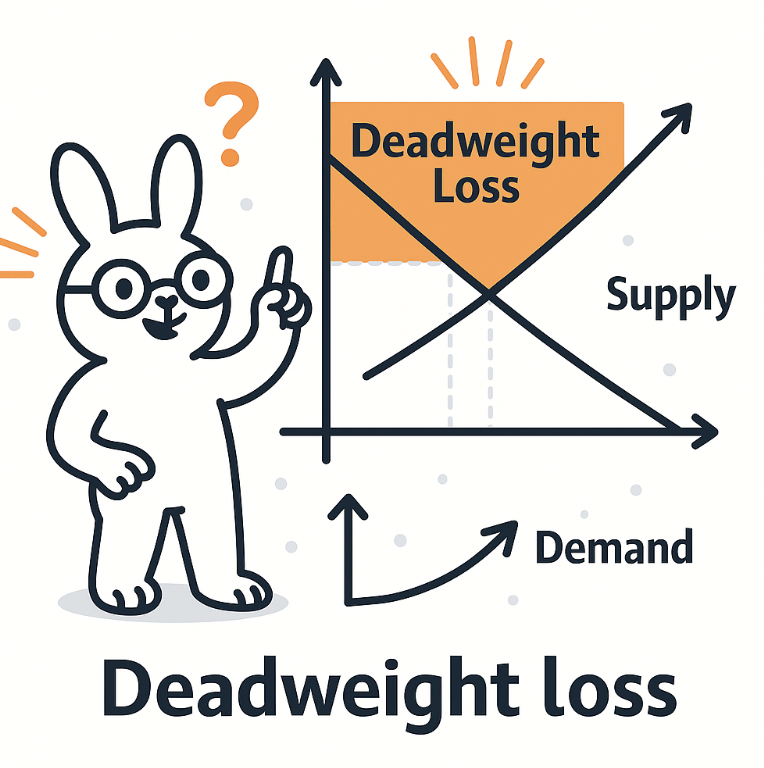
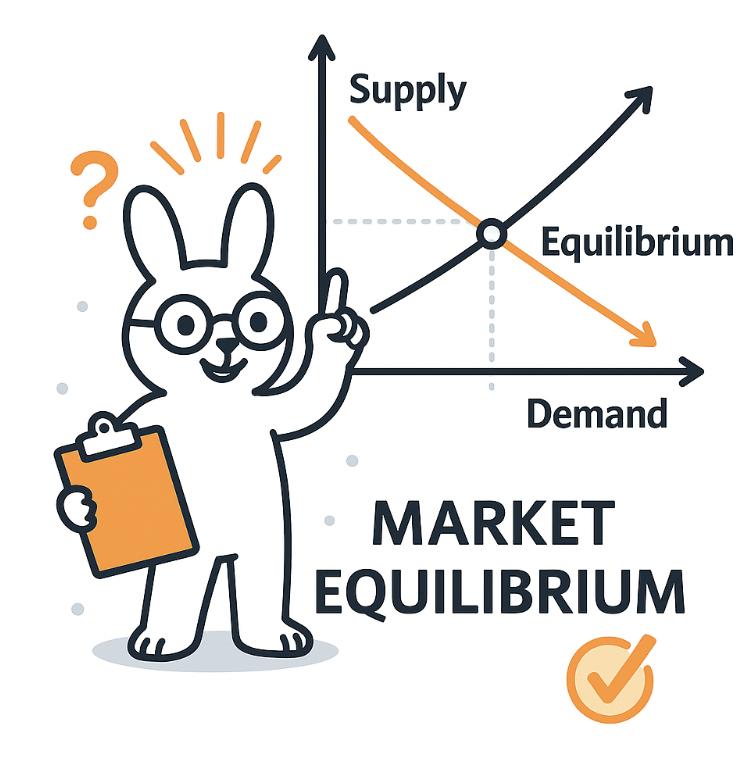
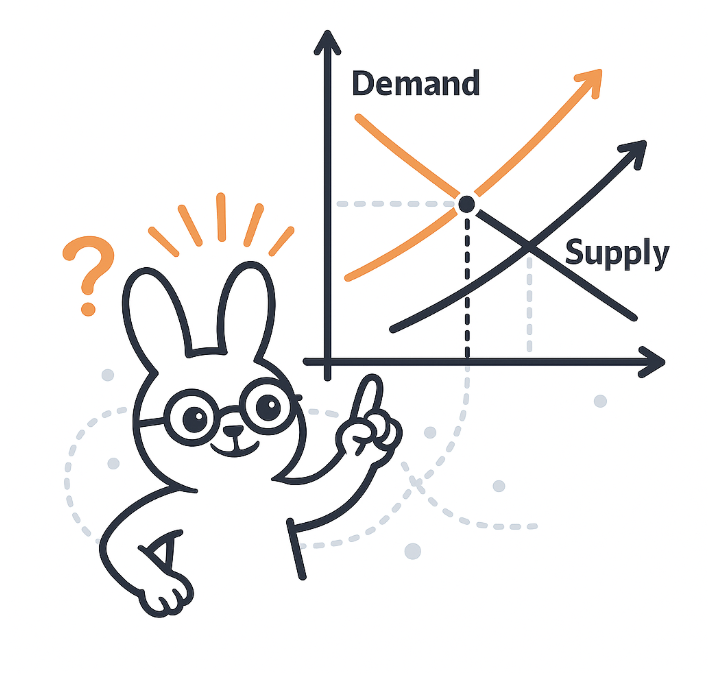
Demand shows how much people want a product at different prices. Supply shows how much producers are willing to offer. When these two meet, they create the price and quantity we see in the market. The curves you learn in class just show how buyers and sellers react when prices change. When supply increases, producers can offer more, which usually lowers the price and raises the quantity sold. When demand increases, buyers want more, which usually raises the price and increases the quantity traded.
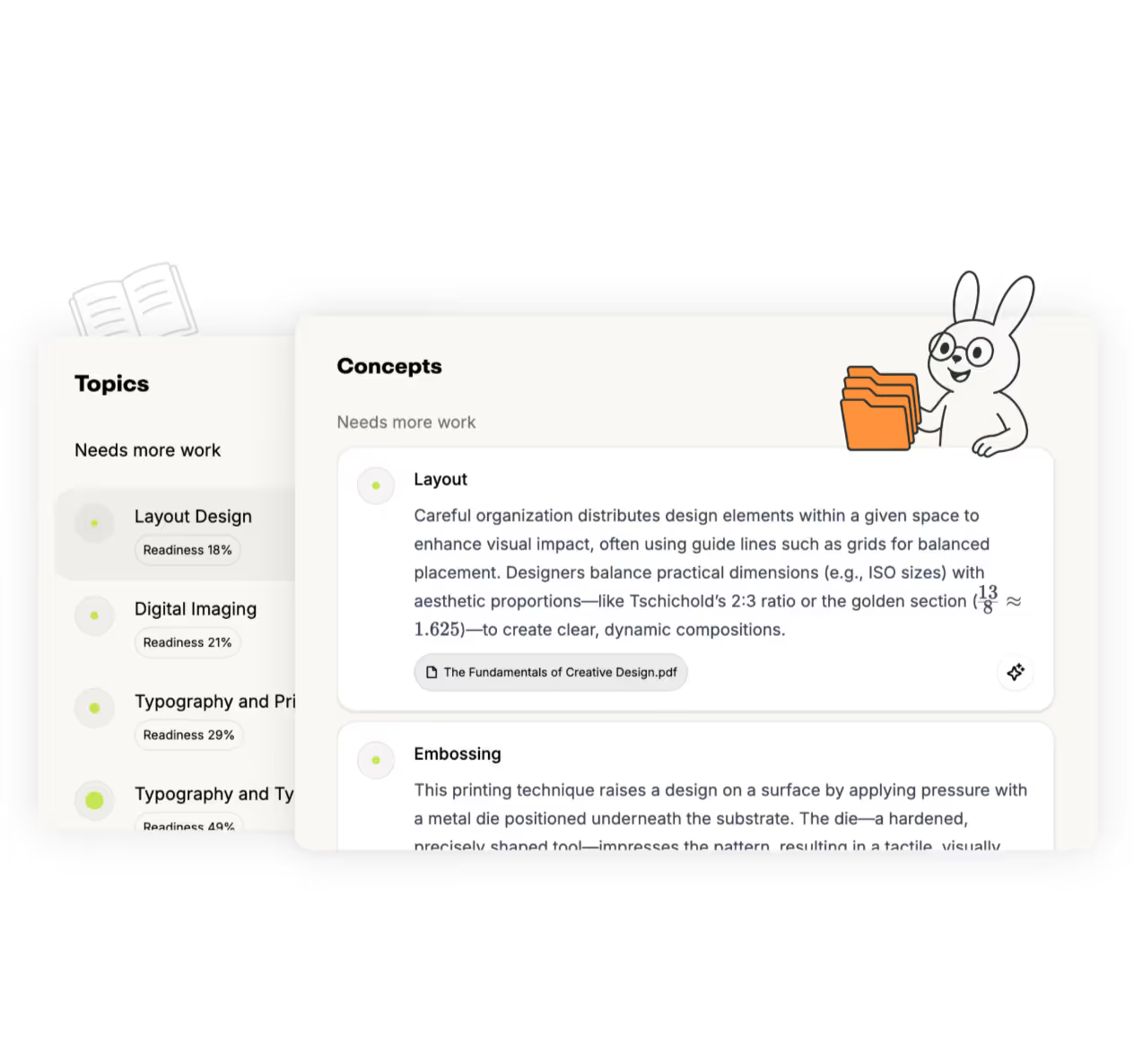
To really understand topics like supply and demand and other related microeconomics concepts, you need your material organized in a way that actually makes sense. That’s where Alice comes in. Just upload your lecture slides or notes, and Alice turns all your scattered content into a structured overview of the key ideas, concepts, and topics you need to learn.
Once everything is organized, you can solve exercises, test yourself in Exam Practice mode, and see exactly where you’re strong and where you need more work. Flashcards and multiple choice questions make it easier to truly grasp and remember what happens when supply increases or demand decreases. Alice even gives you feedback and a grade estimate based on how well you understand the concept, so you always know how prepared you are - long before the real exam.

Think about trying to book a study room at your school library during exam week. There are only a few rooms available, but tons of students trying to reserve them. Because demand is high and supply is limited, the rooms get booked instantly and the “price” you pay is planning ahead, waking up early, or refreshing the booking page the moment it opens.
Now compare that to a normal week. The same rooms sit empty for hours because demand drops while supply stays exactly the same. Suddenly it’s easy to book one whenever you need it, with no hassle at all.
You see the pattern: when lots of people want something and there isn’t much of it, it becomes harder to get. When fewer people want it, availability opens up again.

Real-world use
It helps you understand everyday price changes, like why pastries get cheaper at the end of the day or why concert tickets become expensive when everyone wants them.
Relevance
These ideas show how buyers and sellers react when prices shift. Once you get this, the curves and graphs from class stop feeling abstract and start feeling intuitive.
Impact
Knowing how demand forces work helps you make smarter choices as a consumer, and it prepares you for any business or economics subject where pricing and markets matter.
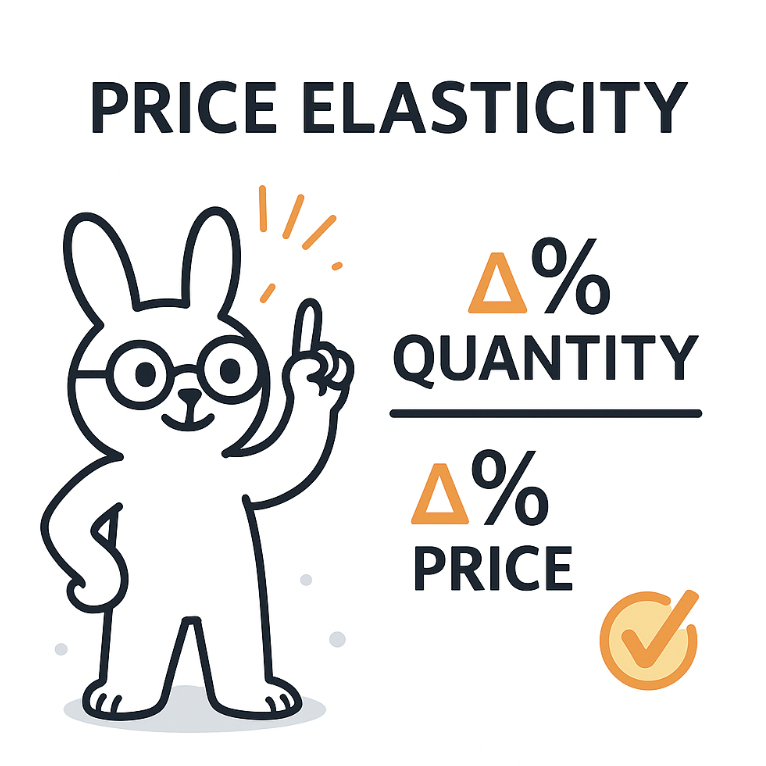
Economics often separates supply and demand into elastic, inelastic, individual, and market forms. Elastic and inelastic refer to how strongly quantity reacts to price changes. Individual demand or supply looks at a single consumer or producer, while market demand or supply combines everyone in the market. This helps explain why some goods respond heavily to price changes while others barely shift.
Demand is mainly influenced by income levels, prices of related goods, consumer preferences, expectations about the future, and the size of the buyer population. When any of these change, demand can increase or decrease, shifting the entire curve rather than just moving along it. But how do you remember all of those? - this is where Alice comes and help you learn those concepts with active learning:)
The law of supply and demand explains how prices adjust based on what buyers want and what sellers provide. High demand and limited supply push prices upward, while low demand or abundant supply push prices downward. If you want to practice these relationships in a structured way, Alice can help you test your understanding and see where you might need more review.
Supply and demand constantly shape each other. When demand for a product increases but supply stays the same, prices tend to rise because more people are competing for the same amount of goods. When supply increases but demand doesn’t change, prices usually fall because sellers have more to offer than buyers want. The two forces move together to determine the market price and the quantity sold — every price you see is basically the result of supply and demand meeting in the middle.