Market equilibrium

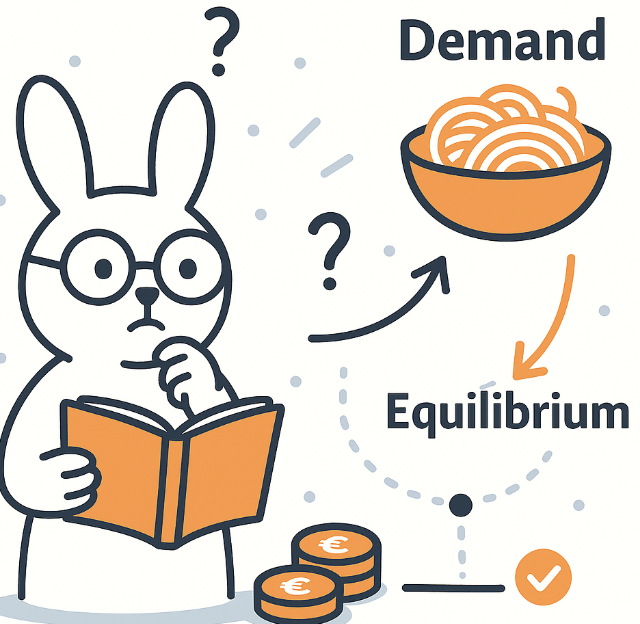
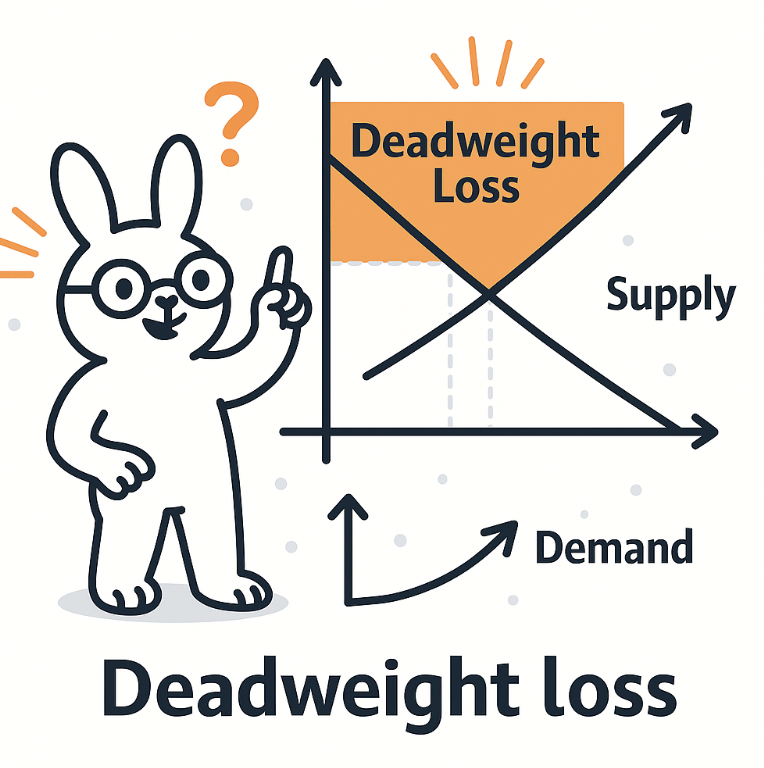
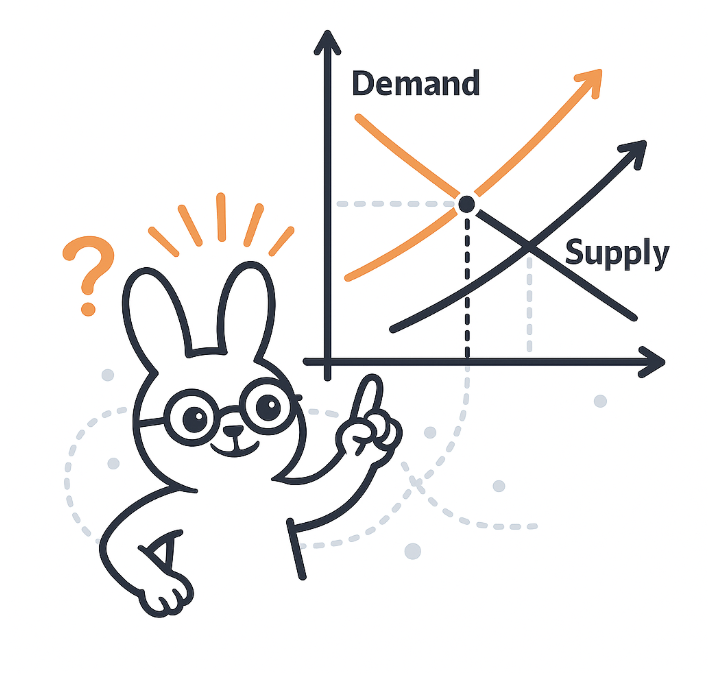
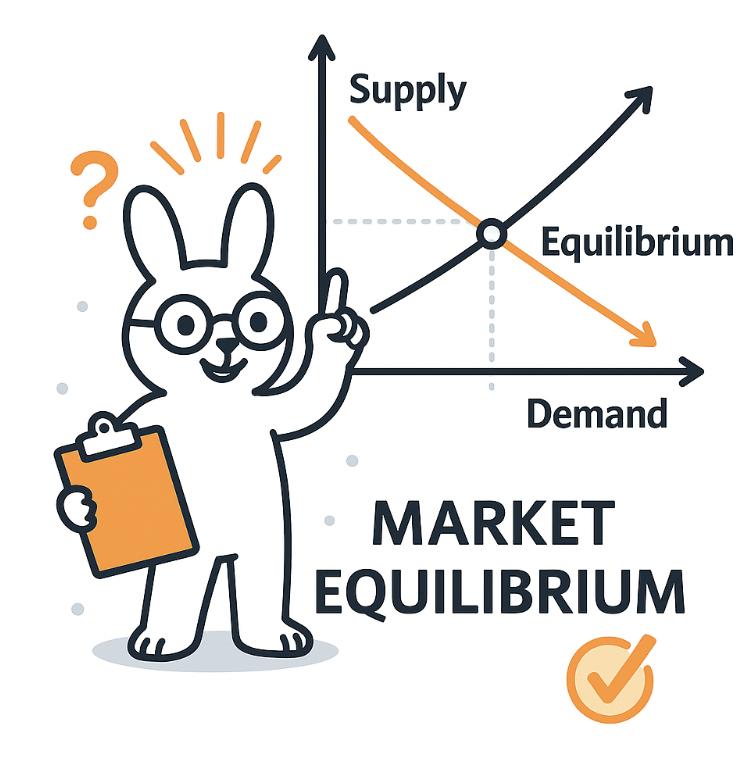
Market equilibrium is the point where the amount buyers want to purchase matches the amount sellers want to offer. It’s the place where the supply and demand curves meet and where the market settles on a stable price.

How market equilibrium works

Markets move toward equilibrium through shortages and surpluses. When the price is set too low, buyers want more than sellers can offer, creating a shortage that pushes prices upward. When the price is set too high, sellers have more goods than buyers want, creating a surplus that pushes prices downward. This adjustment continues until the market settles at a point where buyers and sellers are both satisfied - the equilibrium price.
How Alice could help

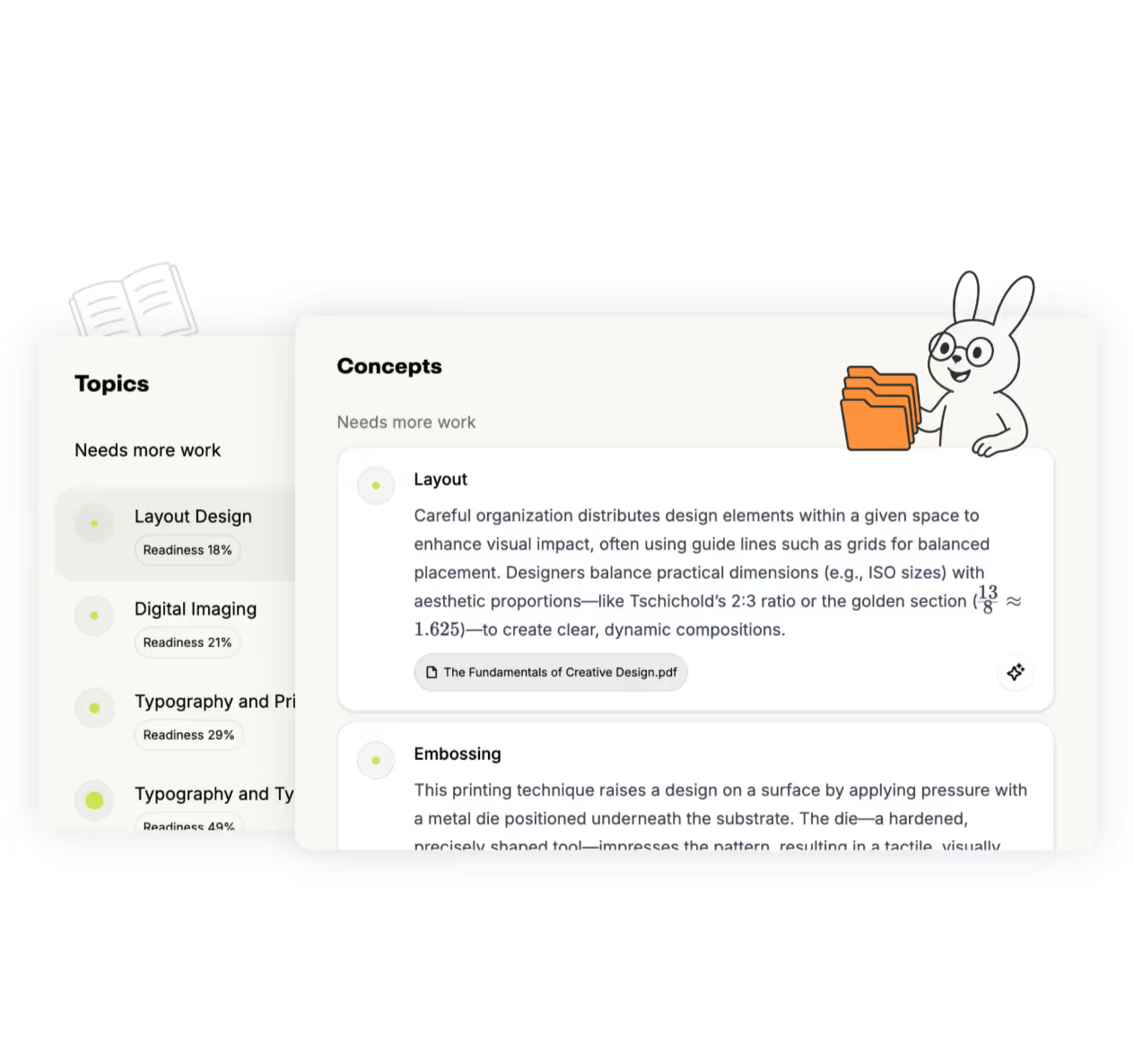
Understanding market equilibrium becomes much easier when your material is organized clearly. With Alice, you can upload your lecture slides, notes or PDFs, and get everything broken down into clean explanations, connected concepts, and practice questions. Instead of guessing what to focus on, you get a structured view of supply, demand, and how equilibrium shifts when conditions change. And when you’re ready to test yourself, you can switch to exam practice mode and get instant feedback on how well you understand the topic.

Try Alice for free

Example of arket equilibrium

Imagine your campus cafeteria introduces a new pasta bowl for 70 kr. On the first day, students try it out of curiosity, but most feel the price is too high, so demand drops. The next week, the cafeteria lowers the price to 55 kr. Suddenly more students start buying it because now it feels worth it. After a few days, the cafeteria notices they’re selling almost exactly the amount they prepare each morning. No leftovers. No shortages. The price stays at 55 kr because it works for both sides.

That moment - when students are willing to buy exactly the amount the cafeteria is willing to make - is market equilibrium happening in real life. It’s not a graph. It’s just the point where the market naturally settles because both buyers and sellers are satisfied.

Why market equilibrium matters

Real-world use

You see it when prices calm down after a hype rush, like concert tickets becoming more affordable once the first wave of buyers is gone.

Relevance

It explains why prices don’t stay extreme. If something is too expensive, fewer people buy it; if it’s too cheap, it sells out. The market naturally moves back toward balance.

Impact

Knowing this helps you spot when a price is fair or temporary. It also makes it easier to understand pricing decisions in business, marketing, and everyday purchases.

Key concepts in microeconomics

Still have questions?

What market is in equilibrium?

A market is in equilibrium when there is neither a shortage nor a surplus. For example, if your campus store consistently sells out exactly the amount they stock at the current price, that market is in equilibrium.

How do you determine market equilibrium?

You find equilibrium where the demand and supply curves intersect. In practice, it’s the price where buyers stop wanting more than sellers can supply and sellers stop having leftover stock. If you upload your course slides to Alice, you can practice identifying these intersection points with generated questions.

What is market equilibrium in simple terms?

It’s the price where everything “just works.” Buyers get what they want, sellers sell what they planned, and no one is pushing for a change. Alice can break this down into simple examples and quizzes if you need extra practice.

What are the two types of market equilibrium?

Static equilibrium (where the market stays balanced at one point) and dynamic equilibrium (where the market keeps adjusting but stays balanced overall). Students mostly learn the static version first because it’s easier to see on graphs.

The best way to learn about market equilibrium - Alice

Studying market equilibrium doesn’t have to feel confusing. With Alice, you get your material organized, you practice the right questions, and you always know how prepared you are before the exam.
Try it for free today