What is microeconomics?
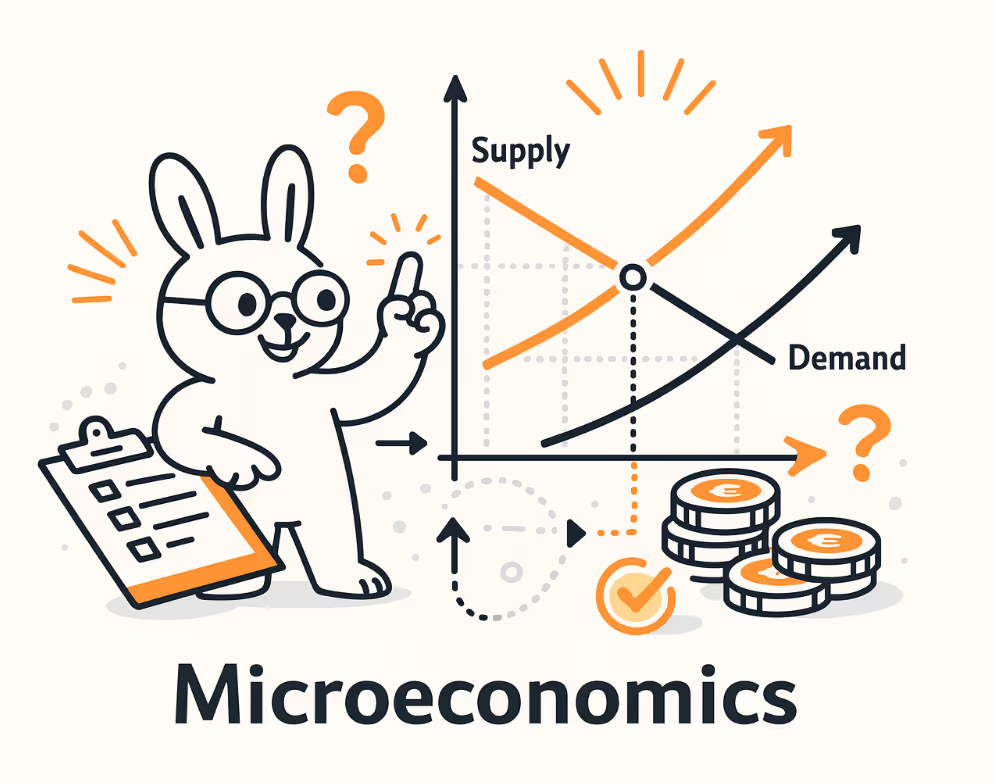
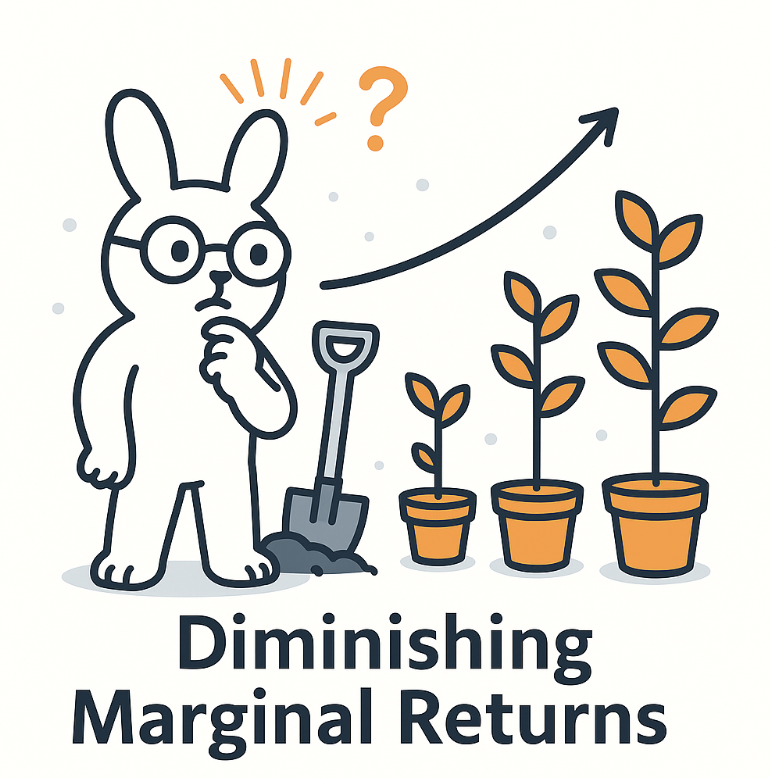
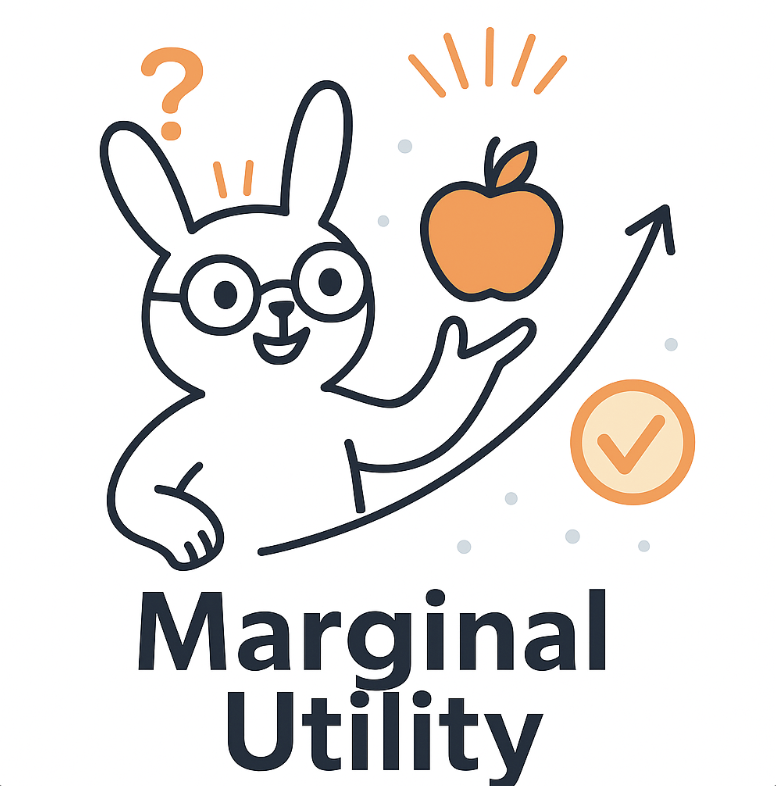
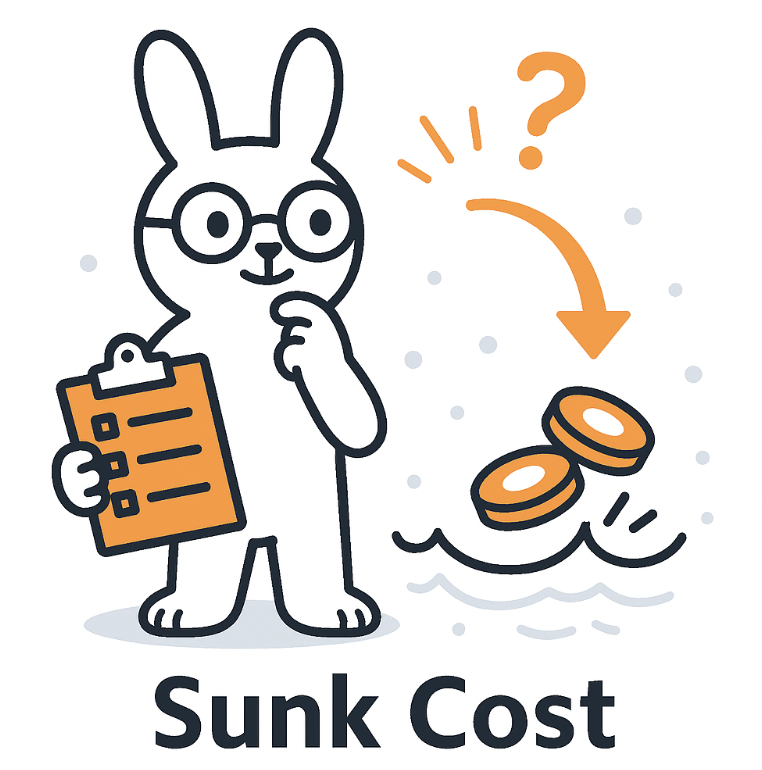
Microeconomics is the study of how individuals and businesses make choices when resources are limited. It’s basically the rulebook behind real-life trade-offs: Should you spend your last 8 dollars on coffee or save it for lunch? Should a company lower prices or offer discounts? Should a student pull an all-nighter or accept the marginal cost of getting a slightly worse grade?
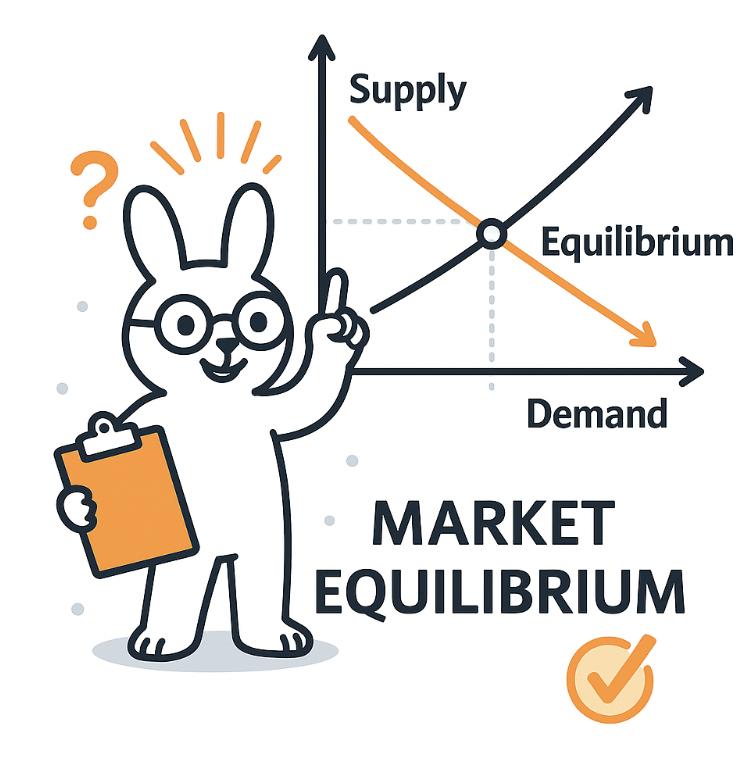
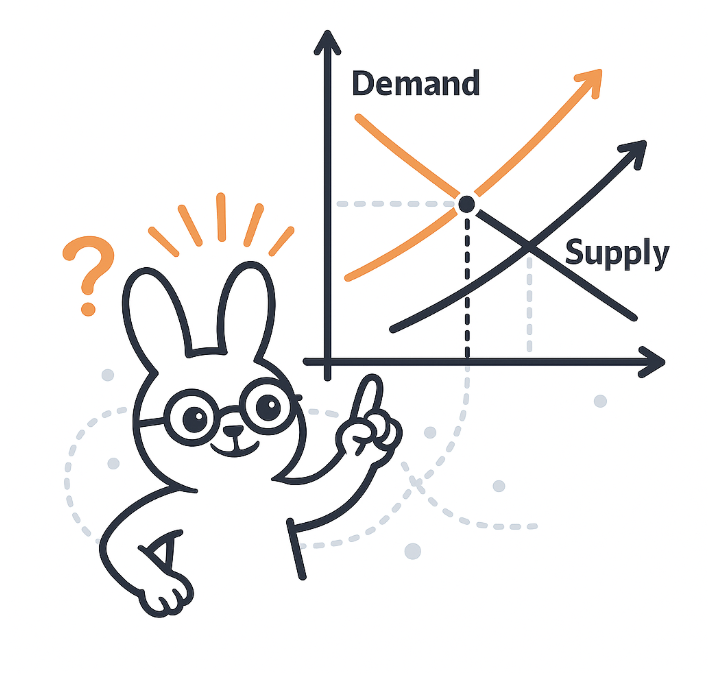
Where macro deals with the “big picture”, like countries, inflation, micro economics looks at the small interactions that shape the big picture. You’ll learn about demand, supply, prices, incentives, and how markets balance themselves. Even if you’re new to the field, microeconomics uniquely reveals the patterns behind individual choices, prices, and markets - making the world feel less random and far more explainable.
Where macro deals with the “big picture”, like countries, inflation, micro economics looks at the small interactions that shape the big picture. You’ll learn about demand, supply, prices, incentives, and how markets balance themselves. Even if you’re new to the field, microeconomics uniquely reveals the patterns behind individual choices, prices, and markets - making the world feel less random and far more explainable.