Microeconomics explained

Think of microeconomics as the “common sense” side of economics - the part that explains your everyday student decisions, like whether it’s worth studying one more hour or buying another iced latte even though your budget screams “please stop.”

What is microeconomics?

Microeconomics is the study of how individuals and businesses make choices when resources are limited. It’s basically the rulebook behind real-life trade-offs: Should you spend your last 8 dollars on coffee or save it for lunch? Should a company lower prices or offer discounts? Should a student pull an all-nighter or accept the marginal cost of getting a slightly worse grade?

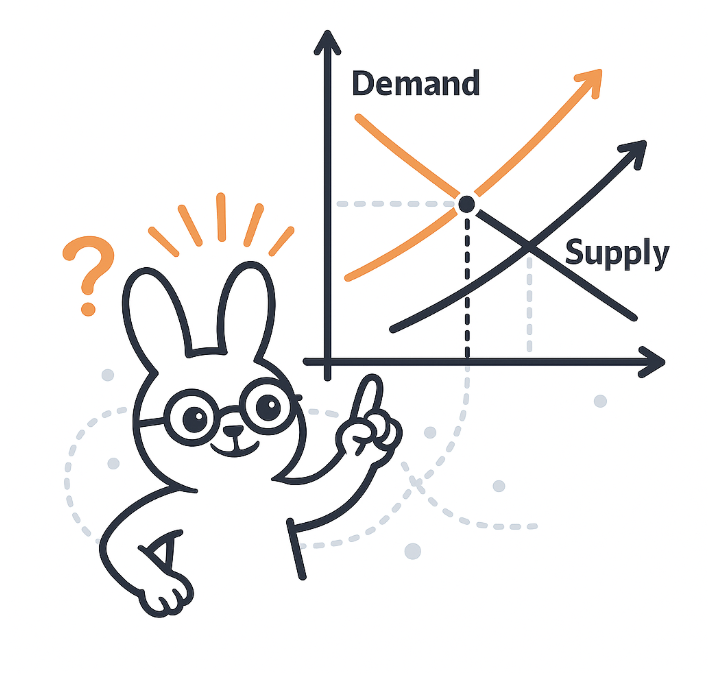
Where macro deals with the “big picture”, like countries, inflation, micro economics looks at the small interactions that shape the big picture. You’ll learn about demand, supply, prices, incentives, and how markets balance themselves. Even if you’re new to the field, microeconomics uniquely reveals the patterns behind individual choices, prices, and markets - making the world feel less random and far more explainable.
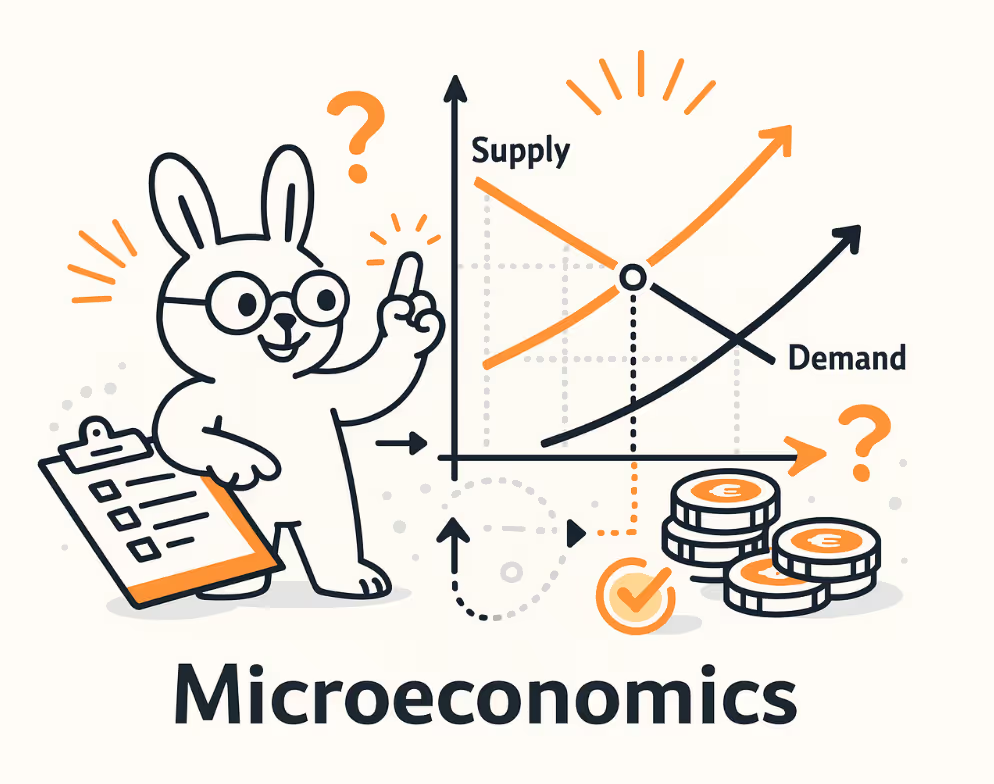
How Alice could help

Studying microeconomics gets a lot easier when you’re not doing everything alone. With Alice, you can upload your notes or slides and instantly get clear summaries, flashcards, and practice questions based on your own material. It’s perfect when you need quick explanations of things like supply and demand, elasticity, or marginal cost - without digging through long textbooks. Alice keeps everything organized so you can spend less time stressing over micro and more time actually understanding it.
Try Alice for free

Over 100,000 students use Alice

Key principles in microeconomics

1. Scarcity
There are never enough resources to satisfy unlimited wants  so choices must be made.
2. Incentives
People respond to costs, rewards, and motivations. Incentives explain why behaviour changes.
3. Marginal analysis
Decisions are made at the margin: “Should I study one more hour?” “Should a company hire one more worker?”

Why microeconomics matters

1. Real-world application
Microeconomics explains choices you already make every day. Every time you compare prices in a supermarket, choose between studying and relaxing, or decide whether gym membership fits your budget, you’re applying micro. The theory behind demand, supply, and incentives is basically the theory behind student life: limited time, limited money, and unlimited wants.
2. Problems it solves
Microeconomics helps you understand and solve real-world problems. It shows why prices rise, why shortages happen, and why companies make specific strategic moves. Think of decisions like choosing between two part-time jobs, deciding whether to buy a new laptop now or later, or figuring out why Uber gets more expensive when it rains. Microeconomics breaks these questions into simple, logical steps - so you can see what’s really driving costs, incentives, and trade-offs.
3. Impact on business
Businesses rely heavily on micro economics to make smarter decisions. Pricing, production, costs, competition - all the things you hear about in class or in case studies fall under micro. Microeconomics helps businesses decide whether to enter a new market - like whether a Danish coffee brand should expand into Germany. It clarifies how many competitors there are, how strong they are, and whether customers will switch.

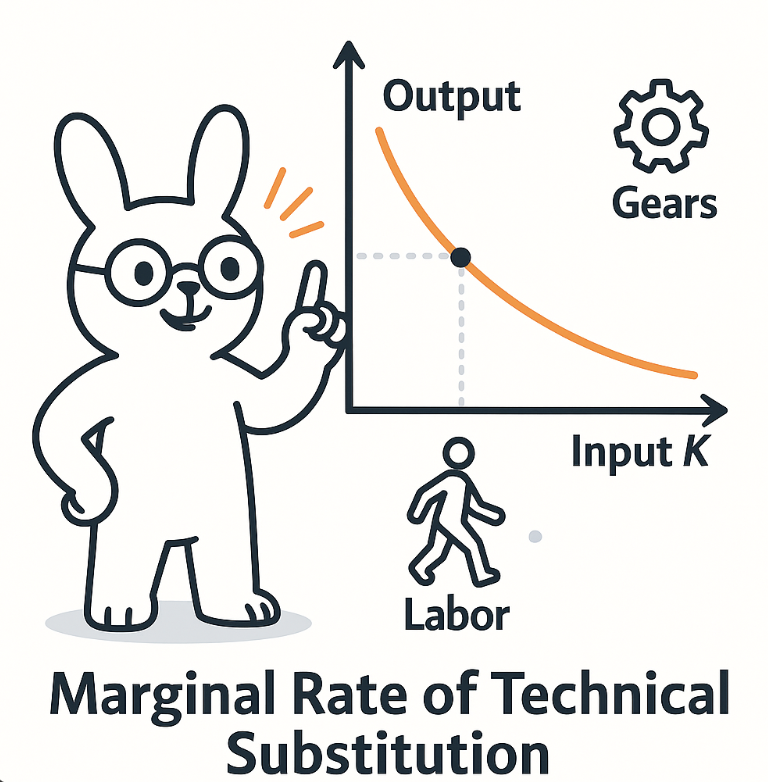
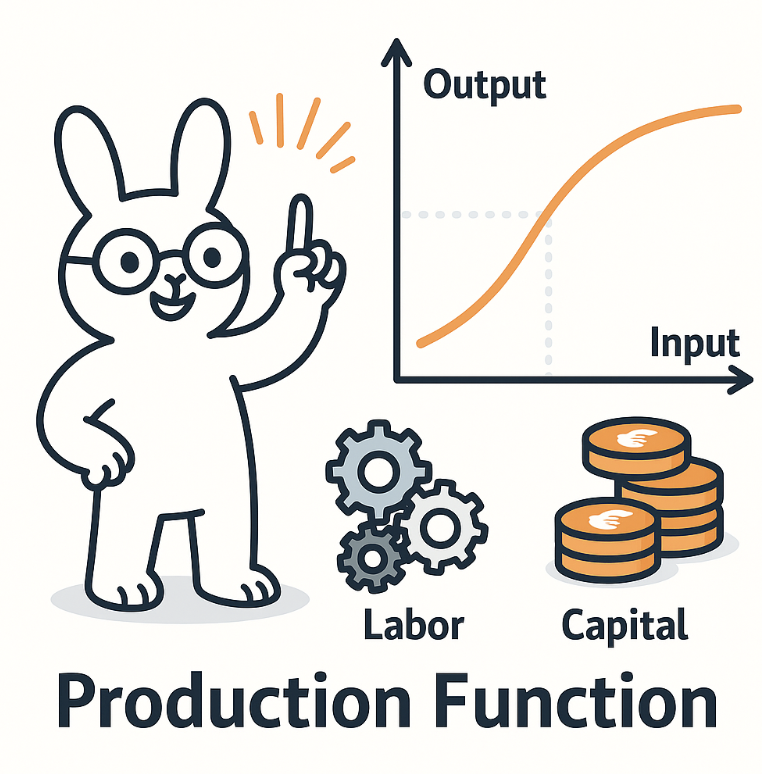
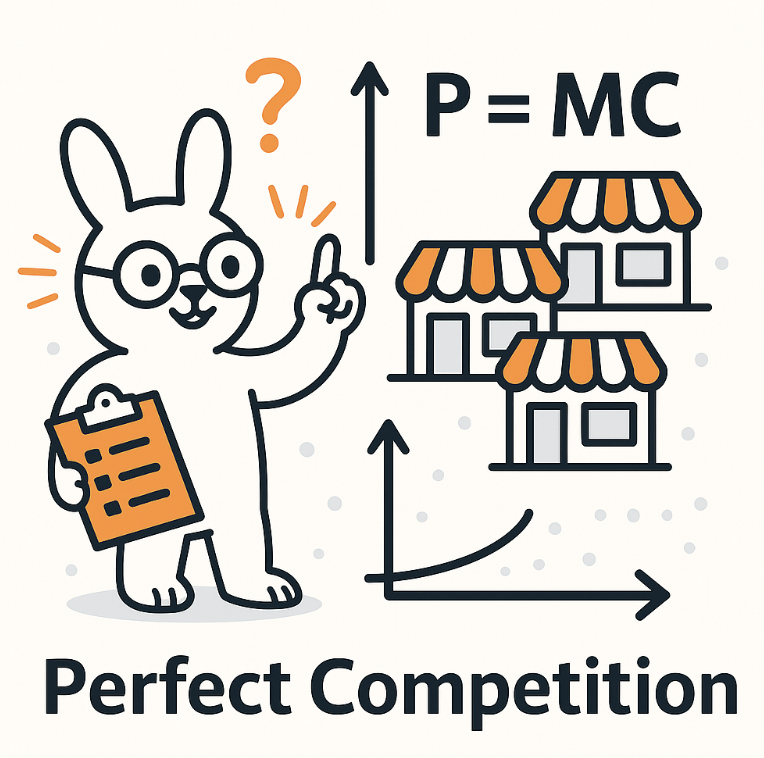
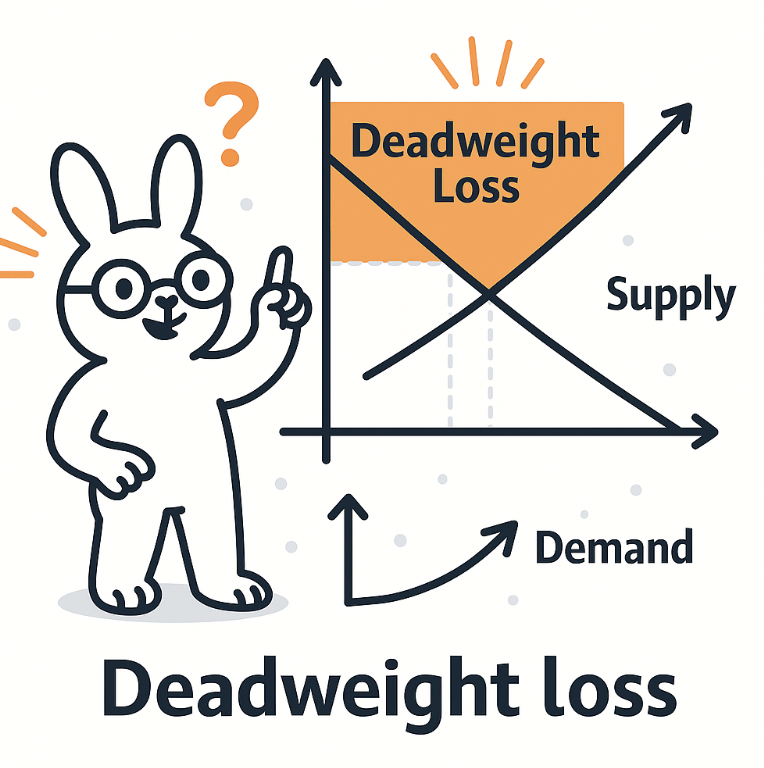
Key concepts

Still have questions?

Is microeconomics hard to learn?

It can be challenging at first because there are new concepts, graphs, and formulas. But once you understand the patterns, the subject becomes much clearer. That’s one of the reasons we built Alice - to help students turn complicated topics into simple explanations, summaries, and practice questions so studying microeconomics feels way less overwhelming.

What’s the difference between microeconomics and macroeconomics?

Microeconomics looks at the small picture - people, students, businesses, and individual markets. Macroeconomics looks at the big picture - countries, inflation, unemployment, and economic growth. Think of micro as your daily choices, and macro as the overall system they happen inside.

What is microeconomics in simple words?

Micro economics is the study of how people make choices when money, time, or resources are limited. It explains why prices change, why we choose one thing over another, and how markets work. It’s basically the logic behind everyday decisions.

Do I need math to understand microeconomics?

Basic algebra is helpful, but most concepts can be understood intuitively. Alice can actually help you with understanding the math behind microeconomics.

Let Alice help you get prepared for your microeconomics exam 

We know it can be overwhelming to have an exam soon, this is why we have created Alice that can help you in half the time
Try it for free today